A card refund does not always appear as a new deposit. The wording depends mainly on which stage the original payment had reached when the merchant canceled it and how the card issuer displays that process.
A payment that was still pending may simply disappear or be marked as reversed. A purchase that had already been posted may remain visible with a separate refund or credit entry. A hotel or rental-car hold may disappear without either label because it was never a completed purchase.
The labels can be confusing, but the practical task is simple: locate the original transaction, determine whether it was pending or posted, and then confirm whether your available balance, card limit, or billed amount has been corrected.
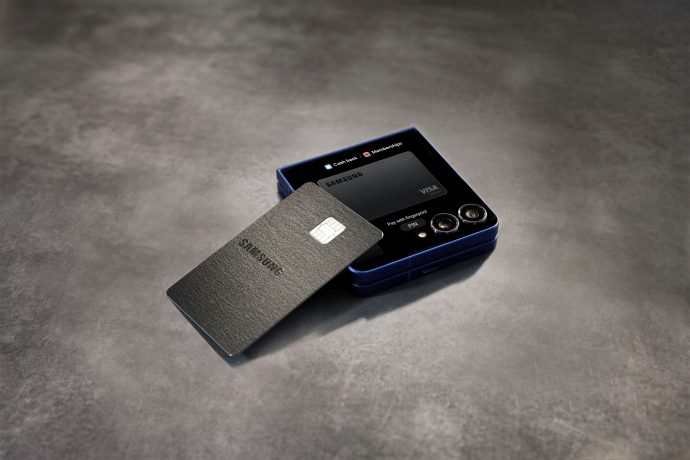
The Transaction Stage Determines How the Refund Appears
Card payments normally pass through an authorization stage before the completed transaction is cleared and settled. At authorization, the issuer approves the amount and may reserve part of the card limit or account balance. If the merchant cancels at this stage, it can send an authorization reversal so that the hold is released. Mastercard’s current processing rules describe reversals as a way for the issuer to release an unused hold, while Stripe distinguishes canceling an incomplete payment from refunding a payment that has already succeeded.
If the original payment has already been posted, the merchant normally sends a separate cancellation or refund record. The original purchase may remain in the transaction history, while another entry reduces the amount owed or returns the funds.
| What appears in the account | Likely situation | What to verify |
|---|---|---|
| A pending charge disappears | The authorization was released or reversed | Available card limit or bank balance |
| The original charge is marked canceled or reversed | The transaction was stopped before or around posting | Whether it is still included in the billed amount |
| The original charge remains with a separate negative entry | A refund was processed after the purchase posted | Merchant, amount, and reference to the original transaction |
| Only part of the amount is credited | A partial cancellation or partial refund was processed | Which items, fees, points, or payment methods were included |
| A hotel, rental, or fuel hold disappears | A preauthorization was released | Whether any final charge was posted separately |
A reversal is therefore not necessarily an additional payment into your account. It may simply remove an amount that was temporarily reserved. On a credit card, the result may be restored available credit or a lower amount due. On a check or debit card, it may appear as restored available funds.
Korean Card Apps Use Several Labels for Different Cancellation Stages
Korean card apps and text alerts may use terms such as:
- 승인취소 generally refers to cancellation of the approval before the transaction has progressed through the full sales-record process.
- 매출취소 or 매입취소 generally refers to cancellation after the transaction record has been received or posted by the card company.
- 부분취소 means that only part of the purchase amount has been canceled.
- 환불, credit, reversal, voided, or 거래취소 may be consumer-facing labels chosen by the issuer, payment app, or overseas merchant.
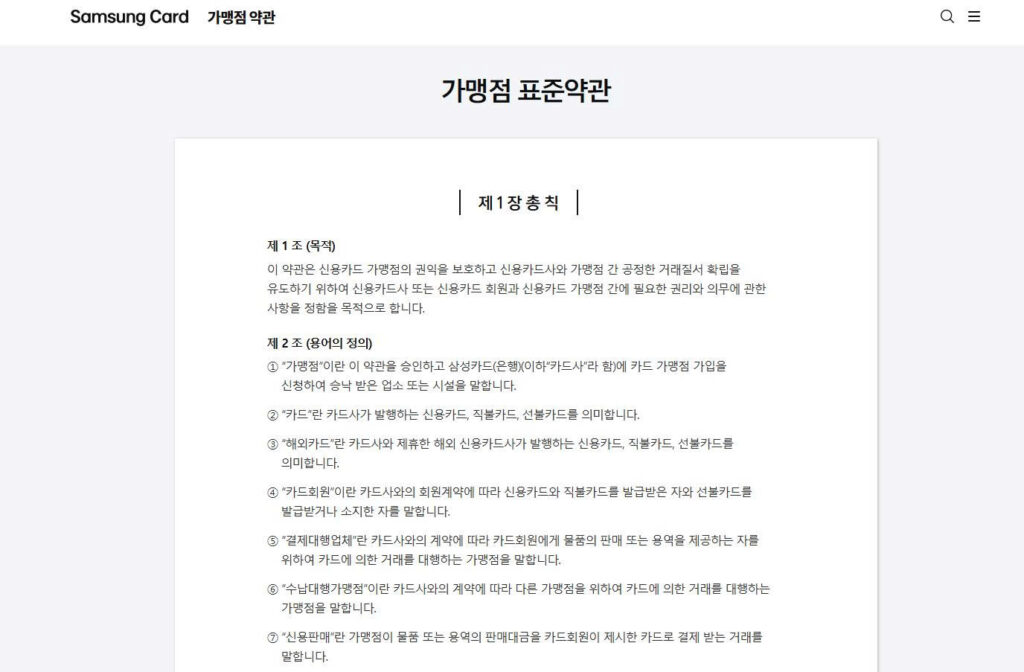
Samsung Card’s current messaging terms distinguish domestic and overseas authorization cancellations from sales cancellations processed after acquisition. Its merchant terms also require a merchant to request cancellation when an approved transaction is not completed and to prepare a cancellation sales slip when a purchase is canceled, returned, withdrawn, or voided.
This is why two card companies can display the same commercial outcome differently. One app may remove the pending transaction. Another may preserve it with a cancellation label. A third may show a separate negative amount.
Do not decide whether the refund succeeded from the wording alone. Also inspect whether the original item is marked pending or completed, whether the amount remains in the current billing total, and whether the available card limit or account balance has changed.
The sign of the amount can also vary. Some apps use a negative figure for a credit, while others display the canceled amount as a positive figure beside a cancellation label. The relationship to the original purchase is more important than the plus or minus symbol.
Follow the Money Rather Than Searching Only for “Refund”
Start with the original purchase. Confirm the merchant name, payment date, amount, card used, and whether the transaction is still pending or has been posted.
Next, determine which result should occur:
For a pending card authorization, the reserved amount should stop reducing your available card limit or account balance. A separate refund line may never appear.
For a posted credit-card purchase, the cancellation should reduce the current amount due, appear as a credit in a later billing period, or otherwise be reflected according to the issuer’s billing process.
For a check or debit-card purchase, the returned amount should eventually become available in the linked account. The cancellation label and the actual balance update may not appear at exactly the same time.
For a partial cancellation, compare the refunded amount with the merchant’s breakdown. Delivery charges, return costs, discounts, points, coupons, and split-payment methods can cause the credited amount to differ from the original card charge. The difference should be explained in the merchant’s refund record rather than guessed from the statement.
Ask the merchant for a cancellation receipt, cancellation sales slip, or refund reference. Korean merchant terms recognize a cancellation sales slip as part of the formal card-cancellation process. A simple email saying “your order was canceled” may confirm the order status without proving that the card cancellation was successfully transmitted.
Keep the order page, original payment record, cancellation notice, return-delivery evidence, and merchant messages until the amount is fully reflected.
A Missing or Incorrect Refund Requires a Stage-Specific Response
There is no single reliable rule that every reversal appears within one to three days or every refund arrives within five to seven business days. Timing can differ according to the merchant, issuer, card type, payment intermediary, overseas processing, billing date, and whether the original transaction had already been posted.
When the merchant says the order is canceled but the payment remains pending, ask whether an authorization reversal was actually submitted. Then provide the card issuer with the original approval details and merchant cancellation evidence if the hold remains beyond the issuer’s stated period.
When the original transaction is posted but no refund appears, ask the merchant when it submitted the cancellation record and request the reference or cancellation receipt. If the merchant confirms submission, contact the issuer and ask whether it can locate an 승인취소, 매입취소, or 취소전표 connected to the original payment.
When the amount is smaller than expected, ask for an itemized explanation. It may be a valid partial refund, but it may also be an error or a second refund still being processed.
When the charge was unauthorized, the merchant has closed, or a dispute deadline may be approaching, contact the card issuer promptly rather than waiting through an ordinary merchant-refund process. Explain whether a refund has already been promised so that the issuer can prevent duplicate or conflicting procedures.
The easiest rule to remember is:
Pending payment disappears or the hold is released → authorization reversal.
Posted purchase remains with a separate credit → refund after posting.
Only part of the amount returns → partial cancellation.
The label remains unclear → confirm the original status, billed amount, available balance, and merchant cancellation record.